
Rest posture summary Understanding cat sleep positions meaning reveals a fascinating balance between thermoregulation and survival vigilance. When your cat sleeps belly-up, it indicates supreme security and deep trust; a tight crescent curl conserves body heat and protects vulnerable organs; while the classic loaf posture reflects calm alertness ready for quick movement.
Domestic felines spend between 12 and 16 hours every day in various states of slumber, dreaming, and light resting. Because ancestral cats served simultaneously as apex stalkers and mid-tier prey for larger carnivores, their resting postures evolved as refined survival calculations balancing energy conservation, environmental warmth, and escape readiness.
To the untrained eye, a cat sleeping on a sunny rug appears completely relaxed. However, a closer look at paw positioning, ear alignment, and spine curvature uncovers a detailed real-time emotional readout of your pet’s perceived safety, comfort level, and body temperature.
From the famous tucked-paw meatloaf to dramatic sprawl-out postures across hallway floors, every sleeping silhouette tells a distinct story. Decoding these postural cues empowers pet parents to evaluate household harmony, monitor joint comfort, and respect personal feline boundaries.
Whether your companion slumbers curled in a cozy nest or sprawls boldly across your lap, understanding their physical language deepens the mutual bond between human guardian and indoor companion.
- The Belly-Up Posture: Exposing the soft abdominal cavity signals unconditional environmental trust and absolute physical security.
- The Classic Loaf: Paws tucked beneath the chest indicate contentment combined with readiness to react if surrounding conditions change.
- The Curled Crescent: Tucking the nose into the tail minimizes surface area to maintain core thermal warmth during chilly hours.
- The Side Sleeper: Stretching legs outward on one side marks transition into deep restorative slow-wave and REM sleep cycles.
- Paws Over the Face: Shielding eyes with front paws blocks ambient light while signaling a polite request for uninterrupted silence.
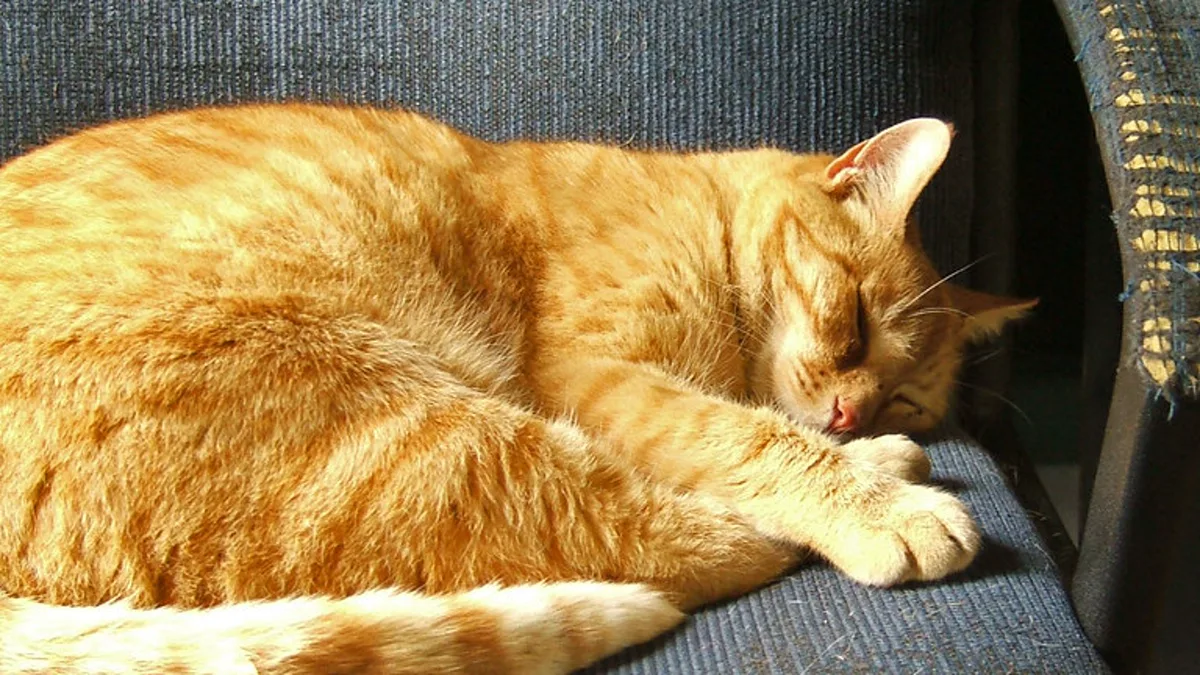
How Does Cat Sleep Positions Meaning Reveal Trust and Safety?
Analyzing cat sleep positions meaning reveals how felines communicate safety and trust through physical exposure. A cat exposing its soft belly indicates complete psychological security, as the abdominal cavity houses vital internal organs completely unprotected by ribs or dense bone.
When your house cat lounges upside down on the living room carpet with limbs thrown wide, it communicates that the animal perceives zero environmental predators or competitive threats. The cat feels confident that no sudden disturbances will compromise its safety while its guard is lowered.
Importantly, human pet owners often misinterpret this posture as an invitation for belly rubs. In canine body language, an exposed belly often welcomes physical scratching; in felines, touching the exposed belly frequently triggers a primal reflex where all four paws clamp down with claws and teeth.
Respect your cat’s communicative display by admiring the sight visually or offering gentle strokes around the forehead, cheeks, and base of the chin instead of intruding upon the sensitive abdominal area.
Over time, felines that consistently sleep with an open abdominal posture demonstrate lower baseline blood pressure and reduced incidence of stress-linked behavioral problems.
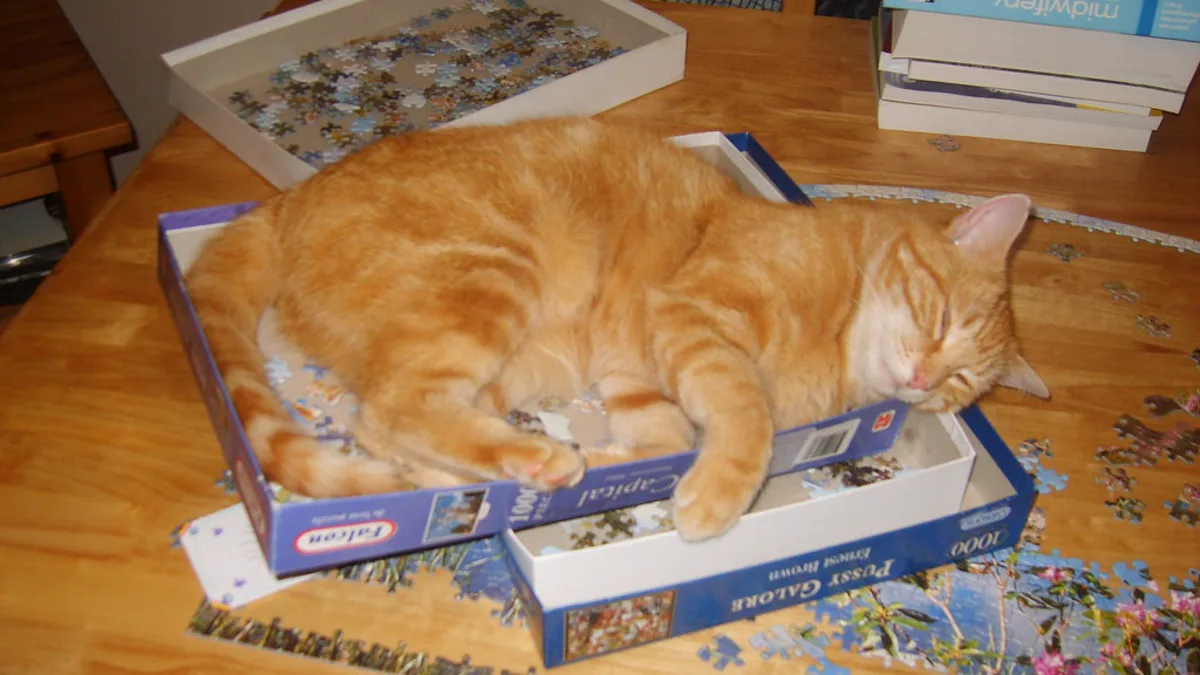
Why Do Cats Rest in the Classic Tucked Loaf Position?
Cats rest in the classic tucked loaf position to conserve core body warmth while keeping sensory faculties poised for rapid response. Tucking all four paws under the ribcage insulates digital pads while maintaining an upright posture.
When a cat rests in a loaf, its core body heat is preserved effectively because its limbs are insulated beneath the torso. However, because the head remains upright and the eyes often rest at half-mast, the feline is not in deep REM slumber. Instead, it is enjoying light slow-wave sleep.
In this semi-alert state, auditory cues from the ears continue scanning the immediate perimeter. If a sudden noise occurs or food is served, the cat can spring forward smoothly without needing to right its spine from a prone lateral position.
If your cat adopts a loaf posture with the head held unusually low, elbows extended outwards, and facial whiskers drawn tightly backward, observe carefully. This modified crouched loaf can signify abdominal pain, nausea, or musculoskeletal discomfort rather than peaceful rest.
| Sleep Posture Classification | Emotional State | Vulnerability Rating | Sleep Depth Level | Ideal Room Setup |
|---|---|---|---|---|
| Belly-Up Sprawl | Supreme trust, complete security | Maximum (Vulnerable) | Deep REM sleep | Quiet carpet, master bedroom |
| Classic Loaf | Relaxed contentment, semi-vigilant | Low (Ready to leap) | Light slow-wave rest | Desk tops, sofa arms, perches |
| Curled Crescent Ball | Conserving heat, seeking security | Moderate (Shielded organs) | Moderate sleep | Cave beds, bolster cushions |
| Full Lateral Side Sleeper | Deep restorative recovery | High (Loose muscles) | Deep REM dreaming | Warm sunlit rugs, soft blankets |
Source: Applied Feline Ethology and Behavioral Science Compendium (reviewed October 2026).
How Does the Curled Crescent Posture Preserve Core Body Heat?
The curled crescent posture preserves core body heat by minimizing exposed external surface area relative to body volume. By tucking the nose into the hind paws and draping the tail over the face, felines insulate sensitive bare tissues.
Felines maintain a baseline internal body temperature between 100.5 and 102.5 degrees Fahrenheit, requiring metabolic energy to sustain. In natural environments, temperatures drop sharply at dusk and dawn, forcing small predators to prioritize physical thermal efficiency.
Beyond thermal physics, the curled posture also shields vital internal structures from accidental contact. In shared multi-cat spaces or dynamic households with active children, a cat may choose the curled ball to create a secure personal sanctuary where it feels protected on all sides.
Providing enclosed cave beds, plush doughnut bolsters, or elevated thermal blankets caters directly to this instinctive desire for enclosed, self-warming rest zones.
What Occurs During Deep Side Sleeping and REM Dreaming Cycles?
During deep side sleeping, felines enter rapid eye movement (REM) cycles characterized by complete muscular relaxation, whisker twitches, and dreaming. This phase allows the central nervous system to process memories and consolidate motor learning.
In lateral recumbency, muscle tone diminishes noticeably throughout the limbs, neck, and torso, allowing systemic tension to dissipate completely. The spine stretches into an elongated, uncompressed line that relieves pressure on intervertebral discs.
Pet owners often notice rhythmic whisker twitches, softly fluttering paws, rapid ear rotations, and quiet muffled vocalizations as the feline brain processes daily sensory input and predatory motor memories.
Because physical reactivity is delayed during deep REM sleep, a cat only chooses lateral side sleeping in areas it deems dependable and quiet. You will rarely observe an anxious or newly adopted cat sleeping on its side in an open entryway or chaotic family corridor.
Waking a cat abruptly from deep REM sleep can induce disorientation and startled defensive swatting. Always speak in a gentle, rhythmic voice before approaching or touching a pet resting in full lateral recumbency.
Why Do Cats Cover Their Eyes With Their Paws While Resting?
Cats cover their eyes with their paws to block ambient room lighting, preserve nose temperature, and signal a polite request for solitude. Feline eyes are highly sensitive to light, making paw coverage an effective improvised sleep mask.
In bright sunlit rooms or artificial household lighting, draping a furred forelimb over the ocular region creates instant darkness, stimulating melatonin production and facilitating deeper sleep cycles.
Beyond that, the paw helps insulate the thinly furred muzzle and moist nasal bridge against cooling ambient breezes. It also functions as a universal non-verbal request for privacy, signaling to household inhabitants that the cat desires uninterrupted rest.
Occasionally, cats twist their upper spine in one direction while their hips face the opposite way, forming an astonishing pretzel shape. This limber posture highlights the exceptional flexibility of feline intervertebral discs, which allow them to relax muscles without compressive spinal strain.
- Provide Vertical Sleep Platforms: Elevated perches and cat trees give anxious cats peaceful vantage points well above foot traffic.
- Establish Microclimate Variety: Offer warm sunlit cushions, enclosed cave beds, and cooler hardwood spots for natural temperature regulation.
- Respect Uninterrupted Slumber: Teach household members never to disturb a sleeping feline, particularly during deep REM side dreaming.
- Wash Bedding with Scent-Free Soap: Preserve familiar communal pheromone scents by avoiding heavily fragranced laundry detergents on cat blankets.
- Monitor Postural Shifts with Age: Watch for senior cats abandoning curled postures, which often indicates early osteoarthritis needing veterinary care.
Frequently Asked Questions
Does a sleeping cat with an exposed belly want a belly rub?
Usually no. An exposed belly represents a display of environmental safety and emotional trust, not an invitation for human touch. Touching the sensitive abdomen often activates defensive predatory kicking reflexes.
Why does my cat sleep in a ball even when the house is warm?
Curling into a ball provides emotional comfort and a sense of physical shielding in addition to conserving warmth. It may also simply be their preferred habitual resting habit.
Can cat sleep positions indicate illness or physical pain?
Yes. A hunched, tense loaf with head lowered toward the floor, squinted eyes, and tucked elbows often indicates abdominal discomfort, arthritis, or nausea requiring veterinary consultation.
Why do cats twitch their whiskers and paws while sleeping on their side?
Whiskers and paw twitching occur during REM sleep when cats experience vivid dreams. Their motor cortex activates small involuntary muscular twitches as they process hunting instincts.
Why does my cat choose to sleep directly on my chest or legs?
Sleeping on your body provides your cat with steady human body heat, the soothing rhythmic sound of your heartbeat, and a shared scent profile that reinforces your affectionate social bond.
How we researched this: Feline sleep architecture and body language data are derived from veterinary ethology studies, thermal regulation research, and clinical shelter behavioral logs. An AI tool drafted the initial structure, and the feline specialist verified every behavioral conclusion.