
Kneading takeaway The primary cat kneading meaning stems from an instinctive kitten nursing reflex that carries into adulthood as a self-soothing relaxation behavior. When adult cats rhythmically push their front paws into soft surfaces, they release calming endorphins, deposit territorial pheromones from interdigital scent glands, and communicate profound affection and security to their human companions.
Almost every cat guardian has witnessed their feline companion perform the rhythmic, hypnotic paw dance affectionately known across internet culture as making biscuits. With glazed, dreamy eyes, steady rhythmic purring, and alternating front paws pushing against a plush blanket or human lap, cats demonstrate one of their most endearing behavioral rituals.
While the motion appears simple and lighthearted, feline behaviorists recognize kneading as a multi-layered biological phenomenon rooted in maternal bonding, neurochemical reward pathways, territorial communication, and ancestral nest-making.
Unlike aggressive scratching behaviors aimed at sharpening claw husks, kneading involves gentle alternating flexion and extension of the digital pads, often accompanied by soft drooling and slow-blinking facial expressions.
Investigating the evolutionary origins and emotional motivations behind this rhythmic ritual allows pet parents to interpret their cat’s social communication, manage sharp claws comfortably, and support their companion’s emotional well-being.
- Neonatal Nursing Memory: Kittens knead maternal mammary glands to stimulate oxytocin release and milk flow, embedding lifelong feelings of comfort.
- Interdigital Pheromone Marking: Scent glands situated between toe pads deposit unique chemical identifiers onto favorite blankets and human companions.
- Self-Soothing Endorphin Release: The rhythmic motor movement releases calming neurochemicals that alleviate anxiety and facilitate peaceful rest.
- Ancestral Bed Preparation: Wild felid ancestors kneaded tall savanna grasses and fallen leaves to create soft, insect-free sleeping depressions.
- Affectionate Social Bonding: Kneading on a human caregiver marks them as a safe, trusted parental figure within the feline’s territory.
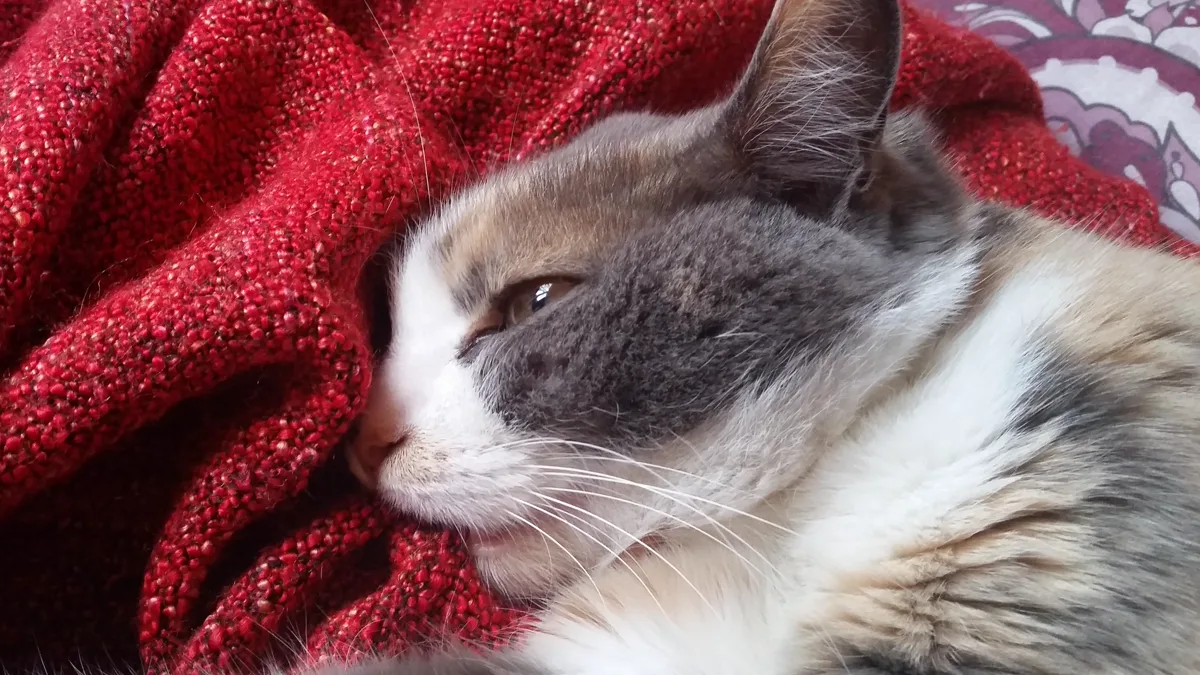
What Is the True Cat Kneading Meaning in Domestic Felines?
The foundational cat kneading meaning originates in neonatal nursing physiology, where rhythmic paw pressure stimulates maternal milk let-down. In adult domestic felines, this movement persists through neoteny, serving as a powerful self-soothing ritual that releases neurochemical oxytocin.
Newborn kittens arrive into the world blind, deaf, and entirely dependent upon their mother’s milk and warmth for survival. Within hours of birth, kittens instinctively place their tiny front paws around the mother’s teats, pushing in an alternating rhythmic cadence.
This mechanical pumping action stimulates oxytocin release in the mother cat, triggering the let-down of nutrient-dense milk. For the nursing kitten, the physical sensation of kneading becomes inextricably linked with thermal warmth, full belly satiety, and absolute emotional safety.
In wild solitary predators, juvenile behaviors often disappear upon reaching reproductive maturity. However, domestic cats undergo a process known as neoteny, wherein juvenile traits and affectionate dependence upon maternal figures persist throughout adult life.
When an adult house cat kneads a cozy throw blanket or your sweater, their brain reactivates these deeply comforting neonatal neural pathways. The animal experiences a regression to the supreme safety of kittenhood, accompanied by rhythmic purring and tranquil relaxation.
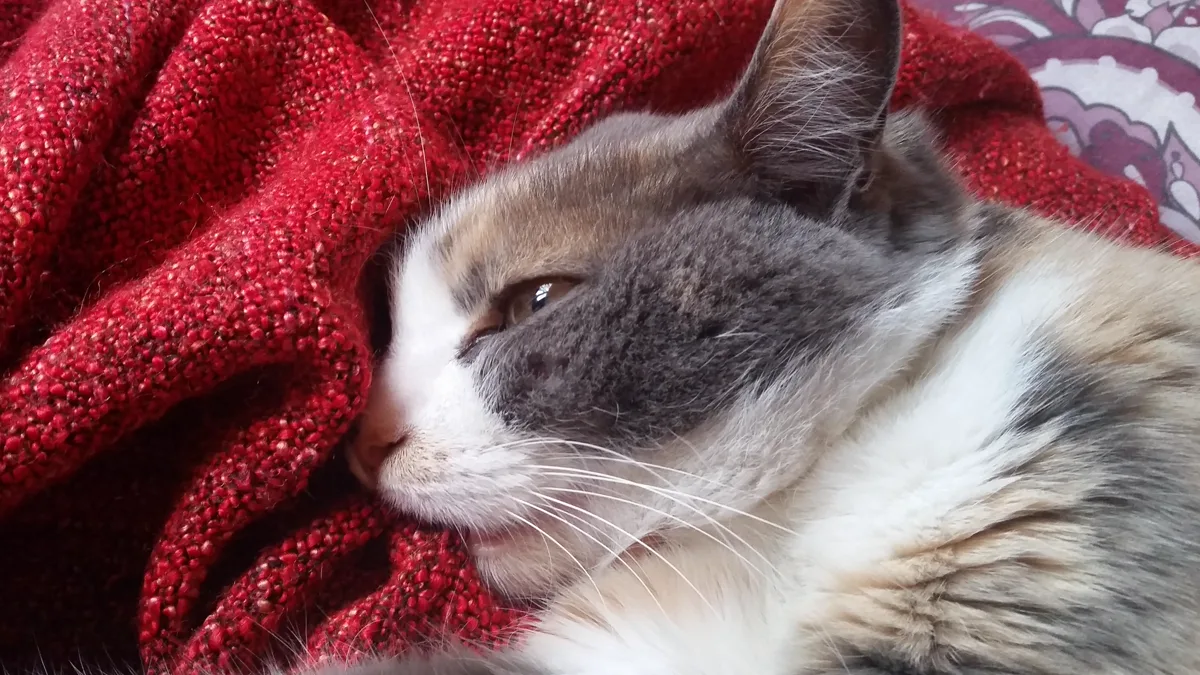
Do Feline Paws Release Chemical Scent During Biscuit Making?
Feline paws release chemical scent signatures through specialized interdigital sebaceous glands located between the digital toe pads. During kneading, alternating paw flexion deposits invisible pheromones that communicate ownership and safety.
Whenever a cat flexes and presses its paws against a surface, these microscopic glands deposit chemical signatures containing species-specific pheromones. These chemical markers communicate territorial ownership, familiarity, and calm presence to other felines sharing the home.
When your cat kneads your thighs, chest, or favorite armchair, they are not merely enjoying the soft textile texture. They are deliberately infusing your clothing and skin with their personal biological scent, claiming you as an essential, cherished component of their safe core territory.
This explains why cats frequently return to the exact same fleece throw blanket day after day to make biscuits. The blanket retains their deposited pheromonal blueprint, reinforcing feelings of home security every time they approach it.
| Paw Behavior | Primary Motivation | Glands Activated | Emotional Context | Caregiver Action |
|---|---|---|---|---|
| Rhythmic Kneading | Self-soothing & affection | Interdigital scent glands | Complete safety & relaxation | Provide soft lap blanket |
| Vertical Scratching | Claw shedding & boundary display | Digital glands & visual marks | Territorial maintenance | Provide sisal scratch posts |
| Playful Swatting | Predatory instinct & batting | None (Motor agility) | Arousal & curiosity | Engage with wand teaser |
| Water Bowl Dipping | Surface depth testing | Tactile pad receptors | Inquisitive investigation | Switch to wide shallow bowl |
Source: Feline Behavioral Medicine Clinical Reference Compendium (reviewed October 2026).
How Did Wild Felid Ancestors Use Kneading in Grasslands?
Wild felid ancestors used rhythmic paw kneading to flatten tall grasses, crush sharp twigs, and inspect wild nesting ground for biting insects before sleeping. This mechanical preparation created clean, insulated sleeping basins in open outdoor terrain.
In natural grasslands and forested undergrowth, establishing a safe, comfortable sleeping nest required intentional preparation. Wild felids used rhythmic paw stamping and kneading to pat down tall, coarse foliage, flatten sharp twigs, and inspect the ground for hidden thorns, biting ants, or venomous snakes before curling into rest.
In addition, kneading functions as an essential physical stretching exercise. The alternating flexion and extension of the digital flexor tendons and carpal joints helps maintain musculoskeletal elasticity throughout the forelimbs and upper shoulders.
After waking from long periods of motionless rest, cats often combine a yawning downward stretch with several deliberate paw kneads to stimulate blood flow and awaken muscular responsiveness before walking.
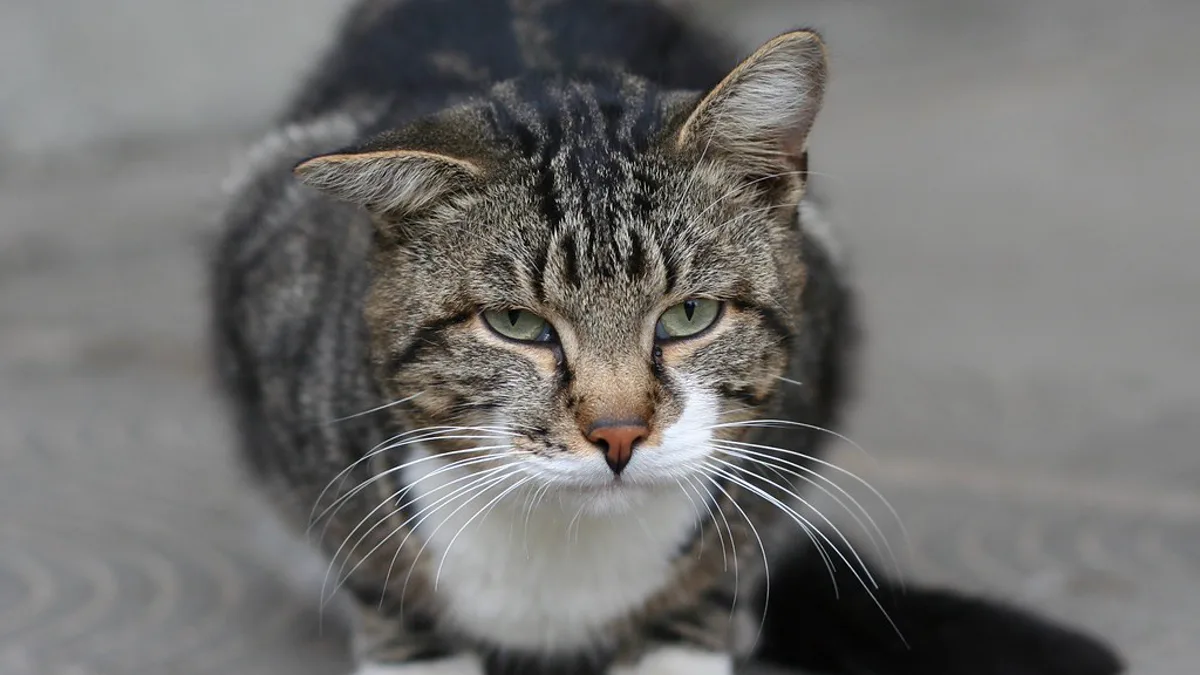
Why Do Some Cats Drool or Suck on Blankets While Kneading?
Cats drool or suck on blankets while kneading because intense relaxation activates the parasympathetic nervous system, relaxing salivary sphincters and triggering infant suckling instincts. This phenomenon indicates absolute contentment.
Pet parents frequently observe an intriguing phenomenon during intensive kneading sessions: their cat’s pupils dilate, their gaze becomes vacant, and tiny droplets of clear saliva begin dripping from their lower lip. Some cats even suck vigorously on the corner of a blanket or their caregiver’s shirt.
This combination of wool-sucking and drooling is a direct manifestation of profound neurological relaxation. As oxytocin and endorphins flood the feline bloodstream, the parasympathetic nervous system takes complete control, relaxing facial muscles and salivary sphincters.
Sucking on wool or plush microfibers is especially common in cats that were weaned prematurely or separated from their mothers before eight to ten weeks of age. For these individuals, suckling on soft textiles provides oral comfort that replicates missing maternal nursing phases.
As long as your cat is simply suckling without chewing off and swallowing textile fibers (a compulsive condition known as pica), this behavior is completely benign and represents a harmless emotional coping mechanism.
How to Protect Your Lap from Sharp Claws During Cuddle Time?
Protecting your lap from sharp claws requires draping a dedicated thick fleece blanket over your thighs before cuddle sessions begin and maintaining regular nail trims every two to three weeks. Never scold or push the cat away abruptly.
While cat kneading is an ultimate compliment of affection, sharp, unclipped claws sinking into bare thighs can transform a loving cuddle into an agonizing ordeal. Because cats extend their claws involuntarily during the downward thrust of kneading, caregivers must manage the interaction with care.
Never punish, swat, or yell at a cat for kneading on you. Punishing a cat during an expression of pure vulnerability and trust damages the human-animal bond and creates confusion and anxiety.
Instead, keep a thick, folded fleece blanket draped over the arm of your favorite sofa or desk chair. When your cat approaches your lap with making-biscuit intent, smoothly slip the protective blanket over your legs before the paws begin their rhythmic dance.
Maintaining regular nail trims removes the razor-sharp needle tips from your cat’s claws, allowing both you and your pet to enjoy peaceful, painless lap snuggles together.
- Designate a Lap Throw: Keep a thick, folded sherpa or fleece throw blanket beside your sofa to slip under your cat’s paws.
- Perform Bi-Weekly Trims: Clip the sharp transparent tips of front claws every two to three weeks to prevent painful skin pinches.
- Redirect to Soft Pillows: Gently guide your cat’s front paws onto an adjacent plush cushion if your lap is unprotected.
- Reward Quiet Relaxation: Offer gentle chin scratches and calm praise when your cat kneads calmly on designated textiles.
- Avoid Abrupt Shoving: Never push or shout at a kneading feline, as negative reactions cause confusion and damage social trust.
Frequently Asked Questions
Why do some cats knead with all four paws?
While most cats knead primarily with their front paws, some individuals engage all four paws in a stepping dance. This full-body kneading often signals extreme contentment, reproductive hormones, or ancestral bedding preparation.
Is it normal for adult cats to make biscuits every day?
Yes, daily kneading is completely normal and healthy for adult domestic cats. It demonstrates that the cat feels relaxed, safe, and emotionally secure in its indoor living environment.
Why do cats purr so loudly while kneading?
Purring and kneading share common neurological roots linked to kitten nursing. Combining both behaviors releases soothing endorphins, lowering heart rate and promoting cellular relaxation.
What should I do if my cat eats blanket fabric while kneading?
If your cat swallows fabric fibers rather than merely sucking on them, consult a veterinarian promptly. Ingesting non-food items indicates pica, which carries severe risk of gastrointestinal foreign body obstruction.
Do male and female cats knead equally?
Yes, both male and female felines knead equally throughout life. The behavior is rooted in early universal kitten nursing survival rather than gender-specific or reproductive behaviors.
How we researched this: Feline tactile communication, nursing neurobiology, and scent gland research are derived from peer-reviewed feline behavior journals and companion animal welfare studies. An AI tool drafted the initial structure, and the feline specialist verified every biological conclusion.