
Stress detection summary Identifying signs of stress in cats requires observing subtle behavioral shifts: hiding in closets, inappropriate urination outside the litter box, compulsive overgrooming leading to bald patches, persistent dilated pupils, and low body postures with tightly tucked tails. Intervene early with environmental stabilization, pheromone diffusers, and veterinary health screens.
Cats are masterful actors when it comes to masking physical vulnerability, illness, and emotional turmoil. In the wild, displaying weakness or panic invites immediate predation or territorial eviction by competitive rivals. Consequently, domestic felines carry an evolutionary mandate to conceal discomfort until physiological distress reaches acute crisis points.
To their human guardians, an anxious cat often looks merely quiet, dignified, or independent. However, beneath that motionless exterior, sustained activation of the hypothalamic-pituitary-adrenal (HPA) axis floods the feline bloodstream with cortisol, degrading immune resilience and disrupting gastrointestinal balance.
Chronic stress in indoor cats is rarely caused by dramatic abuse; more often, it stems from subtle environmental friction: rearranged furniture, neighbor cats patrolling patio windows, conflict over litter box access, or sudden schedule changes.
Recognizing early postural, physiological, and behavioral stress markers enables pet parents to pinpoint environmental triggers swiftly and restore emotional balance before stress manifests as painful idiopathic cystitis or severe aggression.
- Litter Box Changes: Urinating on laundry, rugs, or bedding is the most frequent clinical indicator of feline environmental stress.
- Psychogenic Alopecia: Compulsive licking along the inner thighs and abdomen strips fur away as an anxious self-soothing coping mechanism.
- Territorial Withdrawal: Retreating behind appliances or under beds indicates severe emotional overwhelm and perceived lack of safe perimeters.
- Physiological Postural Signals: Flattened airplane ears, perpetually dilated pupils, and tight tail-tucking signal chronic sympathetic fight-or-flight arousal.
- Environmental Predictability: Restoring strict feeding routines, vertical perches, and feline facial pheromones reduces household anxiety reliably.
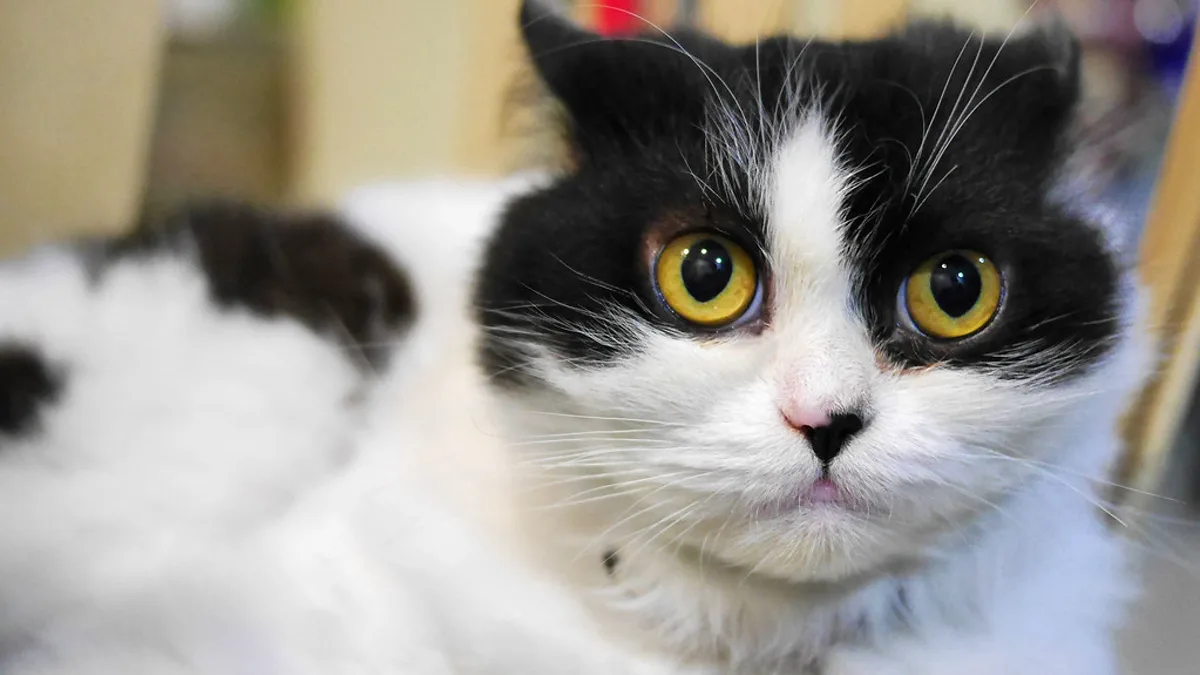
What Are the Earliest Signs of Stress in Cats at Home?
The earliest signs of stress in cats at home include dilated pupils in bright light, slight changes in daily litter box habits, subtle avoidance of eye contact, and reluctance to lounge in open living spaces. Detecting these quiet warnings prevents clinical escalation.
When an indoor cat experiences subtle anxiety, their sympathetic nervous system shifts into heightened surveillance. You may notice their ears twitching backwards toward minor background sounds, while their grooming routines become either hasty or fragmented.
A stressed cat frequently rests in a crouched meatloaf posture with their weight pitched forward on their paws rather than lying flat on their side. This positioning reflects an underlying readiness to bolt if approached.
Appetite fluctuations also occur early. Instead of eating leisurely, the cat may swallow food rapidly in large gulps or approach the dish cautiously, taking two bites before darting across the room.
Monitoring these baseline shifts allows attentive owners to identify environmental disruptions such as construction noise or stray animals outside before overt physical illness develops.
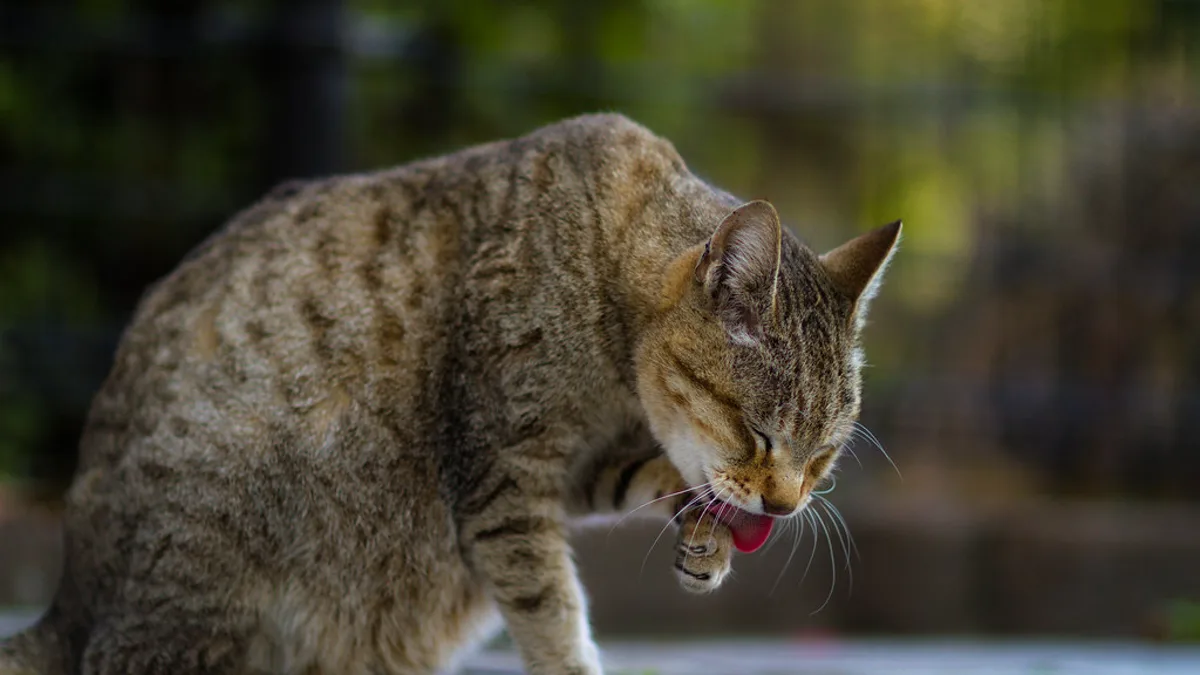
Why Is Litter Box Avoidance a Clear Marker of Feline Anxiety?
Litter box avoidance is a primary marker of feline anxiety because the elimination posture is intensely vulnerable, causing cats that feel startled or cornered near their box to seek soft, scent-dense textiles elsewhere. Cats also blend scents with laundry to feel protected.
Eliminating outside the box is a desperate cry for emotional safety. The litter box is an intensely vulnerable location where a cat must posture defenselessly. If a cat feels ambushed by another pet, startled by a nearby furnace, or distressed by household conflict, the box becomes associated with danger.
In addition, targeting items rich in human family scents – such as dirty laundry or bed duvets – is a deliberate anxiety-management strategy known as scent blending. By depositing their urine over their beloved caregiver’s concentrated scent, the stressed cat attempts to establish a reassuring olfactory buffer.
Stress triggers neurogenic inflammation of the bladder lining, causing feline idiopathic cystitis (FIC). The cat experiences agonizing burning sensations during urination and associates that pain directly with the litter box substrate, seeking soft textile surfaces instead.
| Stress Severity Tier | Primary Behavioral Markers | Postural & Physical Cues | Physiological Impact | Recommended Intervention |
|---|---|---|---|---|
| Mild Ambient Stress | Hyper-vigilance, occasional hiding | Ears rotating, low tail carry | Transient cortisol spikes | Add vertical perches & play |
| Moderate Chronic Stress | Litter box avoidance, overgrooming | Dilated pupils, tense crouch | Reduced immune resilience | Deploy synthetic pheromones |
| Severe Acute Distress | Complete anorexia, screaming, aggression | Flattened ears, pinned spine | Risk of hepatic lipidosis/FIC | Immediate veterinary consult |
Source: Journal of Feline Medicine and Surgery stress scoring system (reviewed October 2026).
How Does Chronic Distress Lead to Compulsive Overgrooming?
Chronic distress leads to compulsive overgrooming because rhythmic tongue licking triggers endorphin release in the feline brain, creating an addictive self-soothing feedback loop that barbers fur off the abdomen and thighs. This condition is diagnosed as psychogenic alopecia.
Normal grooming occupies approximately thirty to forty percent of an indoor cat’s waking hours, maintaining coat hygiene, thermal regulation, and skin health. However, when emotional distress becomes chronic, normal grooming can degenerate into psychogenic alopecia.
Grooming stimulates the release of soothing endorphins in the feline brain, providing temporary chemical relief from cortisol spikes. An anxious cat learns to use repetitive licking as a coping mechanism, focusing obsessively on easily reachable zones such as the lower abdomen, groin, inner thighs, and forelegs.
Over weeks, the rough filiform papillae of the cat’s tongue barber the fur shafts down to the skin, leaving symmetrical, smooth bald patches without dandruff or primary skin lesions.
Before diagnosing psychogenic alopecia, a veterinarian must rigorously rule out medical differentials, including flea allergy dermatitis, food sensitivities, ringworm fungal infections, and underlying joint or bladder pain beneath the licked areas.

What Subtle Postural Signals Reveal Sympathetic Nervous Arousal?
Subtle postural signals revealing sympathetic nervous arousal include permanently dilated pupils, flattened airplane ears, a tightly clamped tail tucked against the torso, and an elongated tense neck held close to the floor. These physical cues signal high fight-or-flight tension.
Feline body language communicates subtle nuances of stress long before overt behavioral problems emerge. A relaxed, confident cat moves through rooms with an upright tail curving like a question mark, loose fluid hips, and soft almond-shaped eyes with normal pupillary slits.
In contrast, a chronically stressed feline adopts a low, crouched posture, holding its belly close to the floorboards as if prepared to dart under cover at any instant. The tail is wrapped tightly around the paws or clamped rigidly beneath the torso, shielding vital groin regions.
Inspect the facial features with care. In a stressed cat, the pupils remain widely dilated even in brightly lit rooms, reflecting continuous sympathetic nervous system arousal. The whiskers are pulled back flat against the muzzle cheeks rather than fanning forward curiously.
Watch the ears attentively. When a cat feels uneasy, its ears rotate sideways and flatten against the skull in an airplane configuration, protecting the delicate auricular cartilage from anticipated physical strikes while continuing to monitor threat sounds.
How Can Environmental Adjustments Restore Security and Calm?
Environmental adjustments restore security and calm by installing elevated catwalks, maintaining rigid daily feeding schedules, plugging in synthetic facial pheromones, and providing multiple private litter stations throughout the home. Predictability eliminates perceived threats.
Alleviating feline anxiety requires systematic environmental modification that returns a sense of control and predictability to your pet’s life. The first priority is expanding vertical territory throughout common living areas.
Installing wall-mounted cat shelves, tall scratching posts, and window perches allows anxious cats to survey room activity from a position of undisputed security, well above the reach of toddlers or family dogs.
Synthetic feline facial pheromone diffusers (such as Feliway Classic) replicate the comforting chemical secretions that cats deposit when cheek-rubbing safe surroundings. Diffusers placed in primary resting zones reduce cortisol levels and decrease territorial marking significantly.
Maintain rigid daily routines for mealtimes, morning play sessions, and lights-out schedules. Predictability reduces feline anxiety because the cat knows exactly when food, interaction, and rest will occur.
If environmental modifications fail to resolve severe distress, consult a certified veterinary behaviorist promptly. Modern feline pharmacology offers safe, effective anxiolytic medications (such as gabapentin or fluoxetine) that can relieve emotional suffering while behavioral therapy takes effect.
- Establish Elevated Catwalks: Mount vertical shelves and window perches so your cat can monitor household rooms without feeling trapped.
- Deploy Pheromone Diffusers: Plug synthetic facial pheromone diffusers into central living spaces to mimic natural communal safety cues.
- Multiply Resource Outposts: Provide distinct litter, water, and food stations across multiple rooms to eliminate competitive territorial anxiety.
- Enforce Predictable Routines: Feed, play, and groom at identical times every single day to provide comforting environmental certainty.
- Rule Out Underlying Pain: Schedule a veterinary exam to ensure behavioral shifts are not caused by hidden arthritis or urinary disease.
Frequently Asked Questions
Can a sudden move or home renovation cause cat stress?
Yes. Relocating, rearranging furniture, or home renovation disrupts your cat’s established olfactory map and territorial boundaries, representing one of the strongest triggers of acute feline anxiety.
How long does it take for a stressed cat to calm down?
Mild stress from a temporary trigger often subsides within 24 to 48 hours. Chronic anxiety developed over months requires several weeks of consistent environmental therapy and routine stabilization.
Why does my cat suddenly hiss at me when I approach?
Sudden hissing usually indicates defensive fear, sensory overload, or hidden physical pain. Give your cat space immediately and schedule a veterinary examination to rule out injury or medical illness.
Do pheromone diffusers really help anxious indoor cats?
Clinical trials demonstrate that synthetic facial pheromones significantly reduce stress-related urine spraying, vertical scratching, and inter-cat tension when deployed in primary living spaces.
When should I see a vet for my cat’s stress symptoms?
Consult a veterinarian immediately if stress accompanies litter box avoidance (to rule out fatal urinary blockages), sudden appetite cessation for over 24 hours, or self-inflicted skin wounds from overgrooming.
How we researched this: Feline stress behavioral markers and clinical anxiety protocols are based on veterinary behavioral medicine publications, shelter stress scoring systems, and feline environmental enrichment guidelines. An AI tool drafted the initial structure, and the feline specialist verified every clinical criterion.