
Enrichment summary Introducing food puzzles for cats transforms mealtime into an engaging predatory game that stimulates cognitive problem-solving, slows down fast eaters, and prevents indoor boredom. Begin with transparent stationary maze feeders before advancing to rolling dispensers or complex foraging boards.
In the wild, an ancestral feline spends up to half of its waking hours actively hunting, stalking, and locating small prey animals across varied outdoor terrain. Domestic indoor life provides safety and reliable nutrition, but presenting food in a static bowl eliminates all cognitive effort from daily life.
This lack of predatory challenge often leads to chronic under-stimulation, manifesting as destructive clawing, midnight vocalization, obsessive over-grooming, and rapid food gorging. Feline behaviorists increasingly recommend ditching traditional food dishes entirely in favor of interactive foraging devices.
Modern feline cognition research confirms that domestic cats possess strong neophilia and problem-solving capacities. Engaging their tactile paws and keen sense of smell through structured food puzzles restores essential biological dopamine loops, turning sedentary house cats into fulfilled, mentally active hunters.
When domestic cats are provided with opportunities to forage, their overall stress levels decrease markedly. Veterinary studies tracking urinary cortisol markers have found that cats provided with environmental enrichment, including regular foraging puzzles, show significantly lower rates of stress-induced feline idiopathic cystitis.
- Predatory Fulfillment: Engages instinctive feline hunting behaviors including sniffing, pawing, swatting, and extracting food rewards.
- Vomiting Prevention: Eliminates gulp-and-regurgitate syndrome by forcing cats to consume kibble piece by piece rather than swallowing whole bowls.
- Weight Management: Extends eating duration from thirty seconds to fifteen minutes, allowing satiety signals to reach the brain naturally.
- Cognitive Health: Stimulates neuroplasticity in adult and senior felines, lowering anxiety and reducing age-related cognitive decline.
- Zero-Cost Entry: Simple DIY versions can be fashioned in minutes from empty cardboard egg cartons and paper towel tubes.
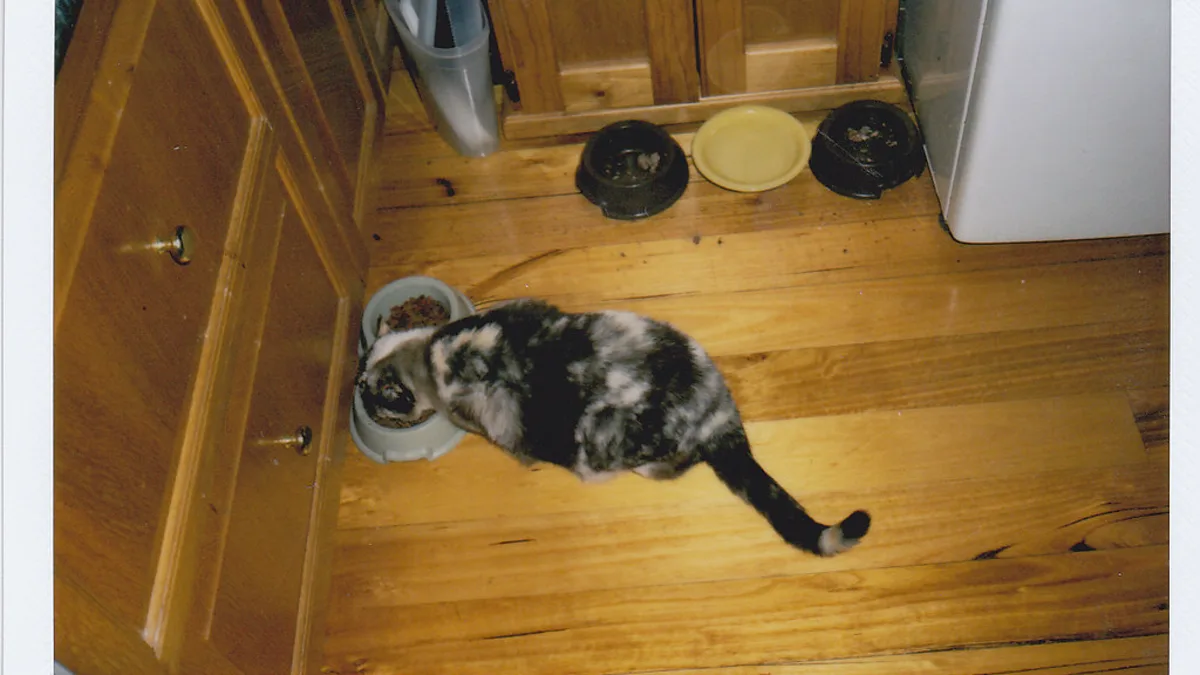
Why Are Food Puzzles for Cats Essential for Feline Mental Health?
Using food puzzles for cats bridges the evolutionary gap between wild feline biology and modern indoor living. Wild felines succeed in only one out of every three to ten hunting attempts, meaning they are neurologically wired to embrace persistent problem-solving before receiving a caloric payoff.
When an indoor cat receives three identical meals in a ceramic bowl each day, the entire predatory cycle (stalk, chase, capture, consume) is bypassed. The brain experiences an energy surplus without an outlet, which frequently translates into stress-related behaviors or lethargy.
Working for food triggers contrafreeloading behavior, an animal psychology phenomenon where captive creatures actively prefer solving puzzles to earn food over eating identical free food sitting in an open dish. Exploring foraging setups pairs naturally with general cat enrichment ideas and targeted cat wand toy play routines within our play & enrichment library.
In addition, feline sensory systems are exquisitely tuned for close-range manipulation. Cats possess specialized carpal tactile whiskers on the backs of their forepaws that register minute vibrations and texture changes. Foraging puzzles activate these paw sensors in ways that standard smooth bowls never can.
The neurological impact of problem-solving also stimulates the release of endorphins and dopamine. When a cat maneuvers a challenging rolling cylinder and is rewarded with a single crunch of food, the brain registers accomplishment, directly curbing anxiety and boredom-induced lethargy.
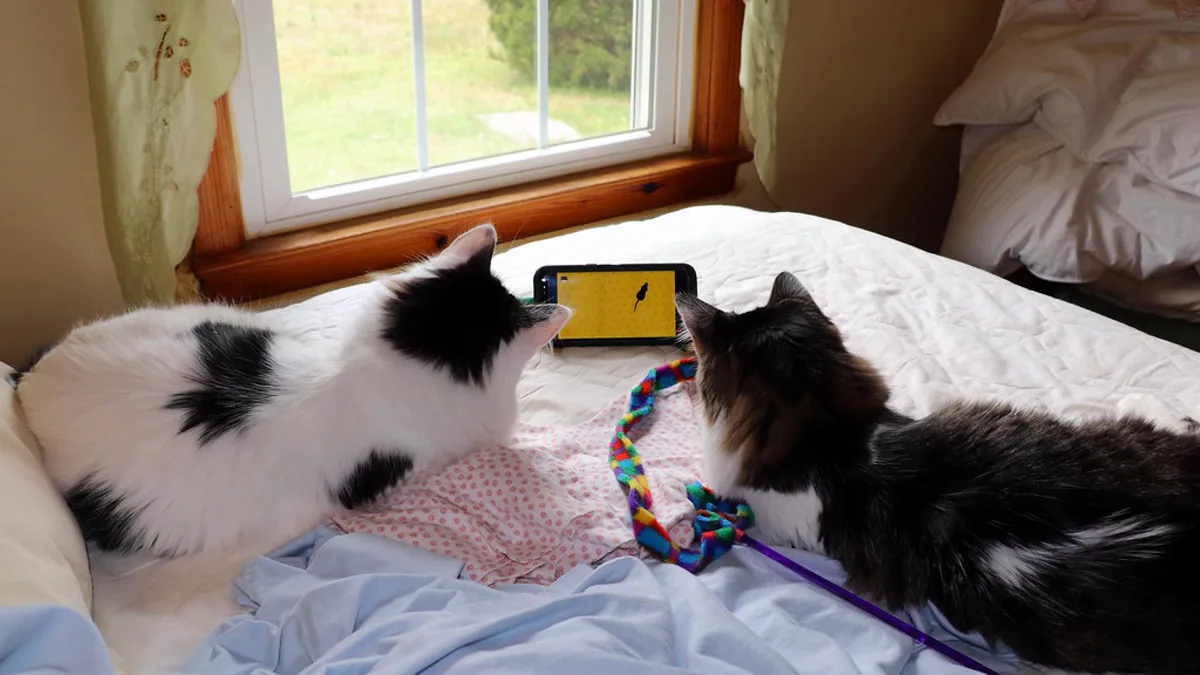
Comparison of Feline Food Puzzle Categories and Difficulty Levels
Selecting the right puzzle format depends on your cat’s previous foraging experience, physical mobility, and food motivation. Use this reference matrix to match puzzle styles to your cat’s developmental stage:
| Puzzle Category | Mechanic & Movement | Difficulty Level | Best For | Cleaning Effort |
|---|---|---|---|---|
| Stationary Maze Boards | Flat board with pegs, cups, and alleys | Beginner to Intermediate | First-time puzzlers, seniors, wet food | Moderate (dishwasher safe) |
| Rolling Cylinders & Spheres | Tumble toy dispensing kibble via holes | Intermediate | High-energy cats, active kittens | Easy (rinse and dry) |
| Hidden Mice Dispensers | Fabric covered pods hidden around house | Intermediate to Advanced | Natural stalkers, agile climbers | Easy (machine wash fabric) |
| Vertical Tower Feeders | Multi-tier gravity drops requiring paw swat | Advanced | Persistent problem solvers, clever breeds | Moderate (disassembly needed) |
| Snuffle Mats & Fabric Folds | Dense fleece strips hiding dry kibble | Beginner | Food-motivated gulpers, nervous cats | Machine washable |
Source: American Association of Feline Practitioners (AAFP) Environmental Enrichment Protocol (reviewed October 2026).
Five Steps to Introduce Food Puzzles Without Causing Frustration
Rushing an uninitiated cat into a complex puzzle can lead to learned helplessness and meal refusal. Follow these five chronological steps to ensure a smooth transition:
- Start with 100% Transparency: Choose a see-through puzzle or shallow egg carton so your cat clearly sees and smells the prize inside.
- Set the Easiest Aperture: Open all dispenser holes to their maximum width so kibble spills out with the slightest paw touch or nudge.
- Sprinkle Free Bait Around the Base: Scatter several treats directly on the floor around the feeder to draw initial interest to the new object.
- Demonstrate with Your Fingers: Gently swat the puzzle in front of your cat, letting a treat tumble out while providing verbal encouragement.
- Gradually Tighten the Difficulty: Once your cat solves the device within two minutes, restrict aperture holes or transition to multi-tier mazes.
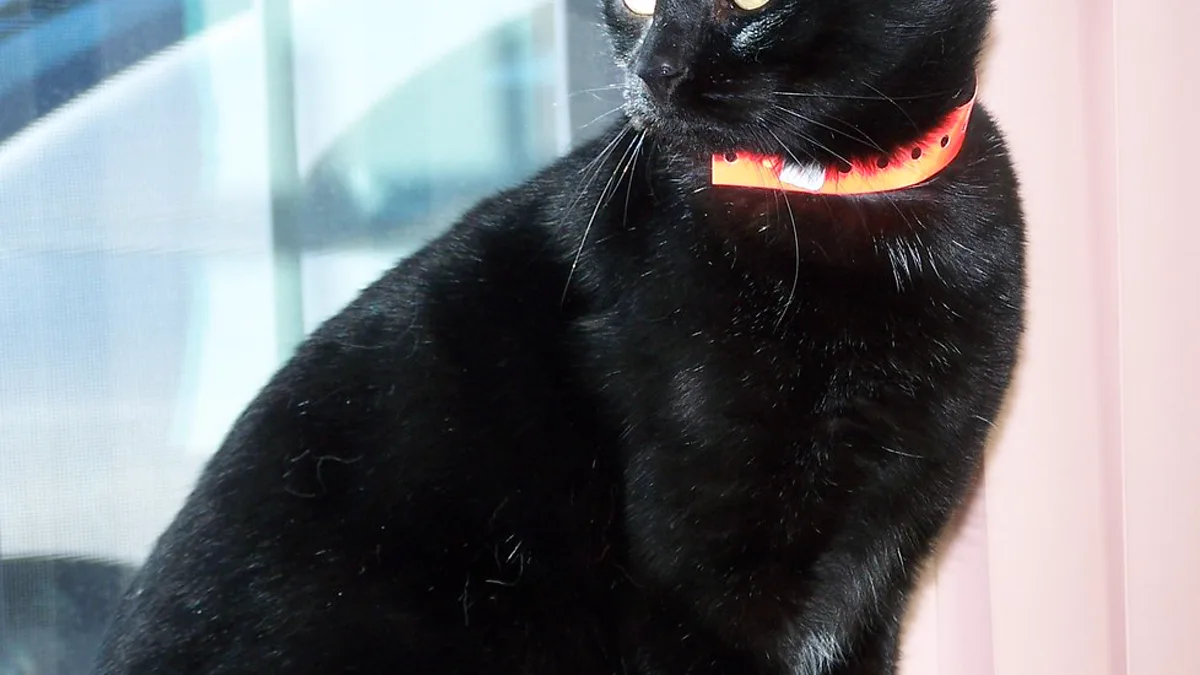
How Do Interactive Feeders Solve Rapid Gulping and Post-Meal Regurgitation?
One of the most frequent complaints among cat guardians is the notorious “scarf and barf” pattern, where a cat vacuums an entire bowl of dry food within sixty seconds only to regurgitate an undigested tubular food mass five minutes later.
This occurs because dry kibble expands significantly upon contacting stomach hydrochloric acid and saliva. When a cat consumes dry pellets without chewing, rapid stomach distension triggers the feline emetic reflex, forcing immediate gastric emptying before digestion can even begin.
Slow feeders and puzzle boards dismantle this physical dynamic entirely. By forcing the cat to extract one or two pellets at a time using their claws or tongue, consumption speed drops by over eighty percent. Kibble arrives in the stomach in small, steady increments surrounded by digestive enzymes.
Over several weeks of puzzle feeding, chronic vomiting episodes often cease entirely. In multi-cat households, slow feeders also prevent assertive cats from finishing their food in seconds and intimidating timid housemates away from remaining meals.
Beyond that, the physical posture adopted while using a foraging board encourages better esophageal alignment. Rather than hunching down with a compressed neck over a deep dish, cats extend their forelimbs and neck comfortably, reducing aerophagia (air swallowing) during ingestion.
How Do Foraging Puzzles Reduce Mealtime Tension in Multi-Cat Households?
In homes with multiple felines, mealtime often becomes a flashpoint for subtle social intimidation. Dominant cats frequently block access to communal feeding stations, forcing submissive cats to eat rapidly in fear or wait until meals grow stale.
Replacing central feeding bowls with several scattered food puzzles distributed across different rooms and elevated surfaces breaks this monopoly completely. A single cat cannot guard three separate foraging stations located in different parts of the home simultaneously.
This spatial separation allows each cat to forage at their own natural speed without feeling watched or threatened. Timid cats gain confidence as they solve puzzles in their preferred secure zones, significantly lowering household tension.
Visual barriers between foraging stations further enhance security. Positioning one puzzle behind a sofa, another atop a cat perch, and a third in an open hallway creates independent micro-territories that foster peaceful coexistence.
How to Build Effective Homemade Cat Puzzles from Recycled Household Items
You do not need to spend significant money on commercial plastic toys to enrich your cat’s mealtime. Some of the most stimulating foraging devices can be constructed from ordinary household recycling items in less than five minutes.
A cardboard egg carton represents the ultimate beginner foraging station. Simply drop a few pieces of dry food into each egg cup without closing the lid; your cat must use their front paw to scoop out each morsel. To increase challenge, ball up pieces of tissue paper and tuck them over each cup.
Paper towel and toilet paper tubes offer endless modular possibilities. Cut two or three dime-sized holes along the side of a tube, fold both ends shut like a coin purse, and fill the interior with dry kibble. Rolling the cylinder along the floor drops pellets at unpredictable intervals.
You can also assemble a puzzle pyramid by hot-gluing several toilet paper tubes horizontally into a triangular stack. Placing treats deep inside the tubes challenges cats to extend their limbs and navigate angled compartments, delivering superb tactile stimulation.
Always inspect homemade cardboard puzzles for loose staples, tape residue, or sharp plastic edges before presenting them to your cat. Discard and recycle paper items once they become heavily chewed or moistened.
Frequently Asked Questions
Can I feed wet or raw food in cat puzzle feeders?
Yes. Silicone lick mats with textured grooves, ice cube trays, and ceramic maze boards are designed specifically for wet food, pate, and raw diets, slowing eating safely.
How many food puzzles should I keep in my home?
Aim for three to five distinct puzzles. Rotating two or three active feeders every few days prevents boredom and keeps mental challenges novel and exciting.
Will my cat starve if they refuse to use the puzzle?
Never allow a cat to fast for more than twenty-four hours due to the risk of hepatic lipidosis. If your cat refuses a puzzle, revert to an easier setting or mix in higher-value treats.
Can senior cats with arthritis use food puzzles?
Absolutely. For senior felines, choose flat stationary puzzle boards placed on floor level that require gentle paw scooping rather than active rolling or tall jumping.
Do food puzzles help with cat weight loss?
Yes. By extending meal duration and preventing boredom eating, cats feel satisfied with appropriate caloric portions while expending light physical energy foraging.
How we researched this: Feline behavioral protocols are derived from clinical feline behavior studies, shelter enrichment guidelines, and multi-cat household case tracking. An AI tool drafted the initial structure, and the feline specialist verified every behavioral recommendation.