
Enrichment takeaway Building fun diy cat toys indoor cats enjoy requires zero expensive materials: upcycle empty toilet paper rolls into treat puzzle pyramids, transform shallow cardboard shipping boxes into foraging mazes, knot braided fleece strips into durable kickers, and roll natural wine corks across hard floors for unpredictable predatory chasing.
Every cat owner knows the familiar irony of spending twenty dollars on an elaborate electronic pet toy, only to watch their cat ignore the gadget completely and spend hours joyfully batting around the cardboard shipping box it was delivered in. Felines are tactile, opportunistic explorers whose predatory instincts respond far more to texture, lightweight movement, and puzzle complexity than commercial branding.
Providing consistent daily mental enrichment is vital for indoor felines. Without problem-solving challenges and sensory variation, house cats frequently succumb to boredom-induced lethargy, chronic anxiety, overeating, and behavioral destruction.
Fortunately, crafting stimulating, safe enrichment does not require a workshop or high expenses. Your household recycling bin and pantry are packed with raw materials that can be transformed into captivating toys in under five minutes.
From cognitive foraging mazes that slow down fast eaters to high-speed batting targets that awaken chasing drives, these homemade creations deliver hours of mental stimulation while strengthening your creative connection with your pet.
- Cardboard Box Puzzles: Cutting paw-sized apertures into sealed delivery boxes creates interactive foraging mazes for dry kibble.
- Toilet Paper Roll Treat Pyramids: Stacking paper tubes horizontally inside a shoebox encourages natural extraction problem-solving.
- Natural Wine Cork Kickers: Real cork provides satisfying tooth resistance and erratic bouncing trajectories when batted across hard floors.
- Fleece Braid Teasers: Braiding clean fleece fabric scraps produces washable, non-raveling prey toys free of toxic dye dangers.
- Strict Safety Screening: Always eliminate rubber bands, sewing thread, exposed staples, tape adhesives, and small plastic choking hazards.
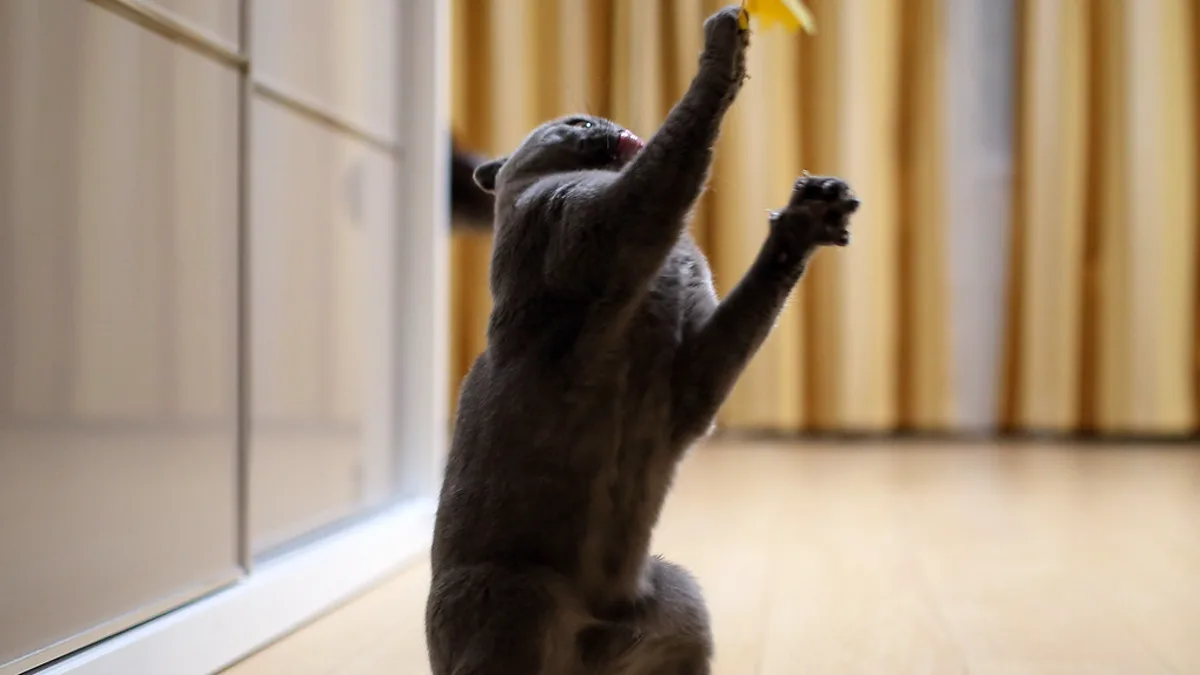
Why DIY Cat Toys Indoor Cats Love Boost Daily Mental Health?
Crafting DIY cat toys indoor cats love boosts daily mental health by engaging natural problem-solving drives and breaking the monotony of enclosed living spaces. Felines possess active predatory minds that require cognitive challenges to prevent anxiety and behavioral regression.
Cardboard boxes offer natural insulation, a pleasing tactile crunch under paw pressure, and scent-neutral surfaces that cats instinctively trust. Commercial electronic toys often frighten sensitive pets with loud electric motors, whereas homemade toys operate silently.
In natural habitats, small predators spend hours assessing territory, sniffing scent trails, and working paws into tree hollows. When you provide homemade foraging boxes, you reactivate these dormant survival instincts.
Studies in shelter medicine confirm that simple puzzle toys reduce cortisol levels by up to forty percent within three days of introduction. Indoor cats that work for their food display fewer instances of compulsive night crying and redirected aggression.
Creating enrichment at home allows you to tailor toys specifically to your cat’s physical capabilities, whether they are a limber kitten or an older cat with reduced joint mobility.
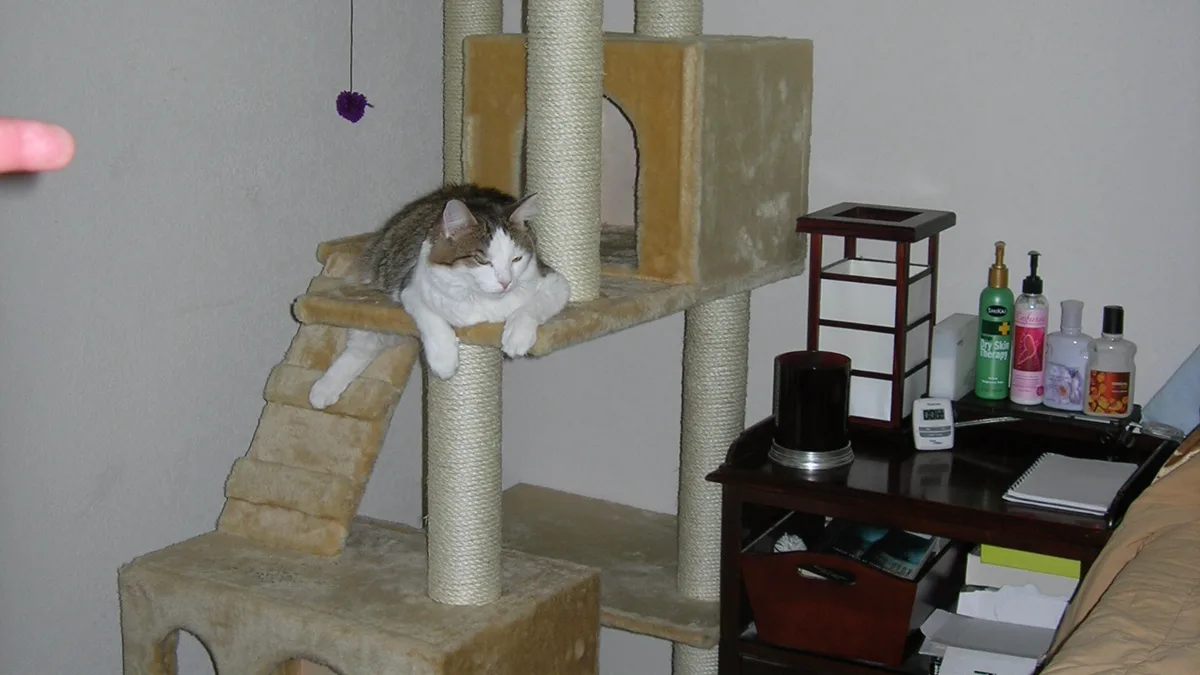
How Do You Build a Cardboard Foraging Box with Recycled Goods?
Building a cardboard foraging box requires cutting paw-sized holes into a clean delivery box, smoothing sharp edges, and dropping treats inside for paws to extract. The puzzle challenges fine motor control and spatial reasoning.
To build a foraging puzzle box, take a shallow shipping box or clean shoebox and tape the lid securely closed. Using a utility knife, carefully cut six to ten circular and oval holes across the top and side panels, varying the diameters between 1.5 and 2.5 inches so your cat’s paws can reach inside easily without getting stuck.
Drop several crunchy treats, large wooden ping-pong balls, or fragrant catnip jingle toys through the apertures. Place the box on your living room floor and shake it once to alert your cat to the internal contents.
Your cat will immediately crouch beside the box, using its paws to fish and hook items through the openings. This exercise engages feline fine-motor dexterity and satisfies the predatory sequence of searching, probing, and capturing prey.
| Upcycled Material | Safety Classification | Toxicity Hazard | Primary Play Benefit | Replacement Interval |
|---|---|---|---|---|
| Corrugated Cardboard | Completely Safe | None (If clean & unprinted) | Claw resistance & foraging | Replace when shredded |
| Natural Wine Cork | Safe (Remove foil/plastic) | None (Natural oak bark) | Erratic bounce & bat play | Replace if chewed to bits |
| Toilet Paper Cardboard Tubes | Completely Safe | None (Standard paper pulp) | Rolling treat dispensers | Replace weekly |
| Polar Fleece Fabric | Safe (Non-fraying knit) | None (Avoid long threads) | Bunny kickers & braids | Wash monthly in hot water |
Source: Association of Shelter Veterinarians Feline Housing and Enrichment Standards (reviewed October 2026).
How Can Toilet Paper Tubes Form Interactive Treat Dispensers?
Toilet paper tubes form interactive treat dispensers by cutting small kibble-sized triangles along the cardboard and folding the tube ends inward to create rolling foraging toys. As the cat swats the cylinder, treats drop intermittently.
Empty toilet paper tubes and paper towel rolls represent one of the most versatile, eco-friendly enrichment resources in any household. Rather than discarding them in the bin, you can convert them into multi-tier foraging dispensers in seconds.
For a simple rolling puzzle, take a single paper tube and use scissors to cut three or four small triangular notches along its length, approximately the size of a dry food kibble. Fold the ends of the tube inward like an envelope, drop a tablespoon of crunchy treats inside, and place it on the floor.
As your cat swats and rolls the cylinder across the room, treats intermittently drop through the cutouts, providing immediate positive reinforcement for physical effort.
For an advanced cognitive puzzle, glue ten to fifteen paper tubes together horizontally inside an empty tissue box or small wooden crate, creating a multi-chamber honeycomb pyramid. Fill various chambers with treats, requiring your cat to inspect and extract each morsel deliberately.
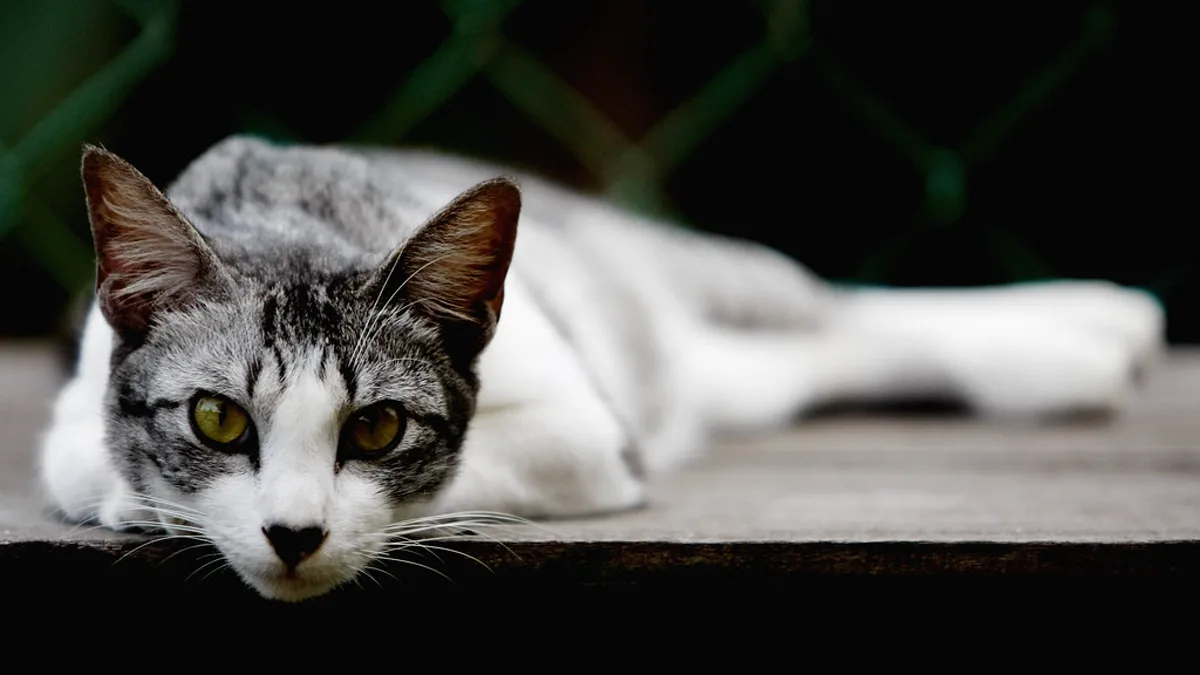
Why Do Natural Wine Corks and Brown Paper Mimic Small Prey?
Natural wine corks and brown paper mimic small prey through erratic bouncing trajectories and acoustic rustling frequencies that resemble beetles and rodents scurrying under dry leaves. The lightweight materials respond instantly to feline paw swats.
Domestic cats possess sensory receptors in their paw pads that delight in lightweight objects that move unpredictably when touched. Natural wine corks harvested from oak bark offer exceptional tactile responsiveness and zero synthetic plastics.
Ensure the cork is genuine natural cork rather than synthetic foam, and wash it thoroughly with warm water to remove residual wine aromas. For extra excitement, use a clean nail to drill a small central hole, thread a pinch of dried catnip inside, and tie a short piece of natural jute twine through the opening.
When swatted across hardwood or tile floors, the asymmetrical shape of the cork produces random zig-zag ricochets that mimic erratic beetle movements, triggering high-speed chase sequences.
Similarly, plain brown packing paper or unprinted parchment paper can be rolled into tight, lightweight crinkle balls. The crinkling acoustic frequency closely matches the rustling of small rodents moving through dried autumn leaves, captivating feline auditory attention instantly.
What Safety Hazards Must You Remove from Homemade Pet Toys?
You must remove sewing thread, yarn, metal staples, packing tape, rubber bands, and plastic caps before offering toys to cats. Feline tongue papillae curve backward, forcing cats to swallow linear strings that can cause fatal intestinal obstructions.
Feline tongues feature backward-facing filiform papillae that make spitting out string, ribbon, or threads nearly impossible once the swallowing reflex begins. Never use sewing thread, embroidery floss, dental floss, gift ribbons, yarn, or rubber bands in unattended DIY toys.
Ingesting linear foreign objects leads to catastrophic intestinal plication, requiring emergency surgical resection. Inspect all cardboard boxes thoroughly before offering them to your pets.
Remove metal packaging staples, strip away plastic packing tape that could be chewed, and avoid boxes that transported chemical detergents, pesticides, or raw meats.
Regularly examine all homemade toys for wear and tear. Discard shredded cardboard fragments, damaged corks, and worn fabric pieces before they degrade into ingestible choking hazards.
- Cardboard Delivery Maze: Cut ten staggered holes into an Amazon delivery box to build an interactive food hunting station.
- Braided Fleece Kicker: Plait three thick fleece strips tightly together, infusing dried catnip leaves into the central knot.
- Paper Tube Pyramid: Stack twelve toilet paper cylinders horizontally into a tissue box for a multi-chamber foraging hive.
- Wine Cork Skitter Target: Clean natural oak corks thoroughly and roll across tile floors for lightning-fast ricochet batting.
- Brown Paper Crinkle Sphere: Crumple clean kraft paper into dense golf-ball-sized spheres that crackle satisfyingly when chased.
Frequently Asked Questions
Are toilet paper rolls safe for cats to play with?
Yes, clean, unprinted cardboard toilet paper rolls are completely safe for cats. Ensure no glue residue or plastic wrapping remains on the tube before crafting.
Can I use yarn to make homemade toys for my cat?
No. Never allow cats to play with yarn or string unattended. Ingested yarn causes severe linear foreign body intestinal blockages that can be fatal.
How often should I rotate homemade toys to prevent boredom?
Rotate homemade toys every three to four days. Leaving all toys scattered across the floor causes sensory fatigue; storing them in a sealed container with catnip renews excitement.
Can I use plastic bottles to make cat treat dispensers?
Clean, rigid plastic bottles can be used if all labels, caps, plastic rings, and sharp edges are removed. However, lightweight cardboard tubes are generally safer and softer on feline gums.
What is the best alternative to catnip for DIY toys?
Dried silvervine (Actinidia polygama) and valerian root are outstanding natural alternatives. Many cats who do not respond to catnip react enthusiastically to silvervine.
How we researched this: Homemade feline enrichment protocols are synthesized from animal shelter behavioral programs, environmental puzzle studies, and companion animal toxicology guidelines. An AI tool drafted the initial structure, and the feline specialist verified every craft instruction.