
Whisker summary A slow blink cat signal involves narrowing the eyelids in a languid, rhythmic sequence before closing them briefly and opening them with a soft gaze. In feline cognition research, this gesture functions as a feline smile, signaling deep psychological security, emotional trust, and the absence of predatory threat.
Direct, unblinking eye contact in the feline world communicates severe confrontation. Predators lock unyielding visual focus on prey before pouncing, and rival felines stare down opponents during territorial standoffs. Therefore, when a cat intentionally closes their eyes in your presence, they are offering an extraordinary declaration of emotional safety.
Scientific research conducted by animal behaviorists at the University of Sussex confirmed that slow blinking is a verifiable cross-species communication bridge. Handlers who initiate slow blinks can actively reduce stress in shelter cats, deepen companionship with skittish rescues, and establish immediate communicative rapport in domestic homes.
Domestic cats maintain acute peripheral vision capable of detecting micro-movements across sixty cycles per second. Their retinas are exquisitely tuned to optical shifts, making human facial expressions far more noticeable than most pet owners realize. Learning to harness this visual dialogue transforms everyday domestic interactions into meaningful bonding moments.
- The Feline Smile: Slow blinking serves as the domestic cat equivalent of a genuine human smile, indicating comfort and zero threat.
- Vulnerability as Trust: Closing eyes removes visual defense, demonstrating complete trust in the immediate environment.
- Bidirectional Bonding: Cats respond positively when human handlers initiate slow blinks, approaching more readily and purring.
- Pupil Size Context: Soft eye narrowing differs from wide dilated pupils or slit pupils caused by fear or intense anger.
- Shelter Stress Reduction: Using slow blinks with fearful cats accelerates socialization and calms nervous cardiovascular responses.
What Does Scientific Research Reveal About the Slow Blink Cat Phenomenon?
Scientific studies published in Nature Scientific Reports demonstrated that domestic felines are significantly more likely to approach an unfamiliar human who performs a slow blink cat signal compared to one maintaining a neutral facial expression.
Researchers measured feline eye movements using high-speed cameras, finding that cats consistently match human eyelid narrowing with reciprocal slow blinks. This discovery confirms that domestic felines read subtle human micro-expressions and interpret eyelid softening as an invitation for positive interaction.
The neurological mechanism behind slow blinking is tied to the release of oxytocin, the bonding hormone responsible for maternal care and social attachment in mammals. Understanding these eye cues harmonizes with broader cat tail language insights and overall cat behavior development.
In addition, heart rate telemetry in veterinary research clinics revealed that companion cats experience an immediate drop in baseline physiological stress when handlers maintain gentle, softened eye contact throughout routine examinations.
The evolutionary origin of the slow blink stems from maternal interactions in the nursery nest. Mother queens use languid eye narrowing when nursing kittens to reassure the litter that the den perimeter is secure, hardwiring this sensory calming response from the earliest weeks of life.
Comparison of Feline Eye States, Pupil Shapes, and Intentions
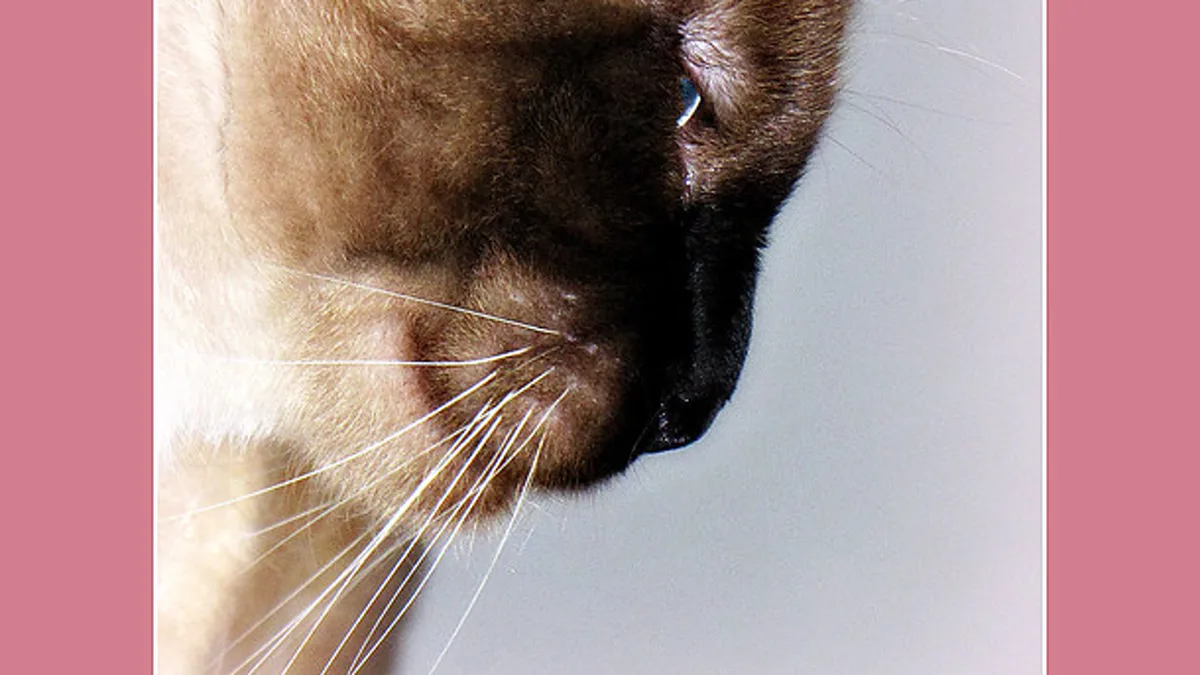
Interpreting eye communication requires evaluating eyelid openness alongside pupil dilation and lighting conditions. Because feline pupils can expand to three times their normal diameter in dim light, cross-referencing eye shapes with ambient lighting is essential. Use this comparison table to identify feline visual signals accurately:
| Eye & Pupil Appearance | Underlying Psychological State | Visual Threat Level | Best Human Response |
|---|---|---|---|
| Half-Closed Eyelids with Soft Gaze | Complete Trust and Relaxation | Zero Threat (Affectionate) | Slowly blink back and speak in soft soothing tones. |
| Wide Unblinking Stare with Large Pupils | Predatory Stalk or High Fear | Elevated Threat Readiness | Avert gaze slightly to defuse confrontation. |
| Narrow Slit Pupils in Ambient Light | Defensive Irritation or Anger | High Risk of Aggression | Give space and cease all physical petting. |
| Dilated Pupils in Normal Lighting | Arousal, Play Surge, or Terror | Moderate to High Arousal | Observe body posture and redirect with toys if playful. |
| Rapid Fluttering Blinks | Uncertainty or Mild Anxiety | Low Threat (Guarded) | Remain calm, sit quietly, and allow cat to approach. |
Source: University of Sussex Animal Cognition Research Group Behavioral Findings (reviewed October 2026).
How to Execute a Perfect Slow Blink Back to Your Cat Step by Step?
Executing a slow blink back to your cat requires calm posture, gentle breathing, and measured timing. When humans move deliberately without sudden jerky head shifts, cats feel safe to relax their defensive vigilance. Follow these five practical steps to send a clear message of affection:
- Position at Eye Level: Sit comfortably near your cat without looming directly overhead, keeping your body angle slightly sideways rather than square-on.
- Establish Soft Visual Contact: Catch your cat eye gently without staring aggressively into their retinas; soften your facial and jaw muscles.
- Languidly Narrow Eyelids: Slowly lower your upper eyelids over two seconds, mimicking the relaxed heaviness of entering pleasant drowsiness.
- Hold Closed for One Second: Keep your eyes closed gently for a full second, demonstrating that you have zero fear of vulnerability in their presence.
- Reopen Slowly and Look Away: Slowly reopen your eyes with a soft gaze, then gently turn your head a few degrees away to remove all perceived pressure.
How Can You Use Slow Blinks to Tame Shy or Rescue Cats?
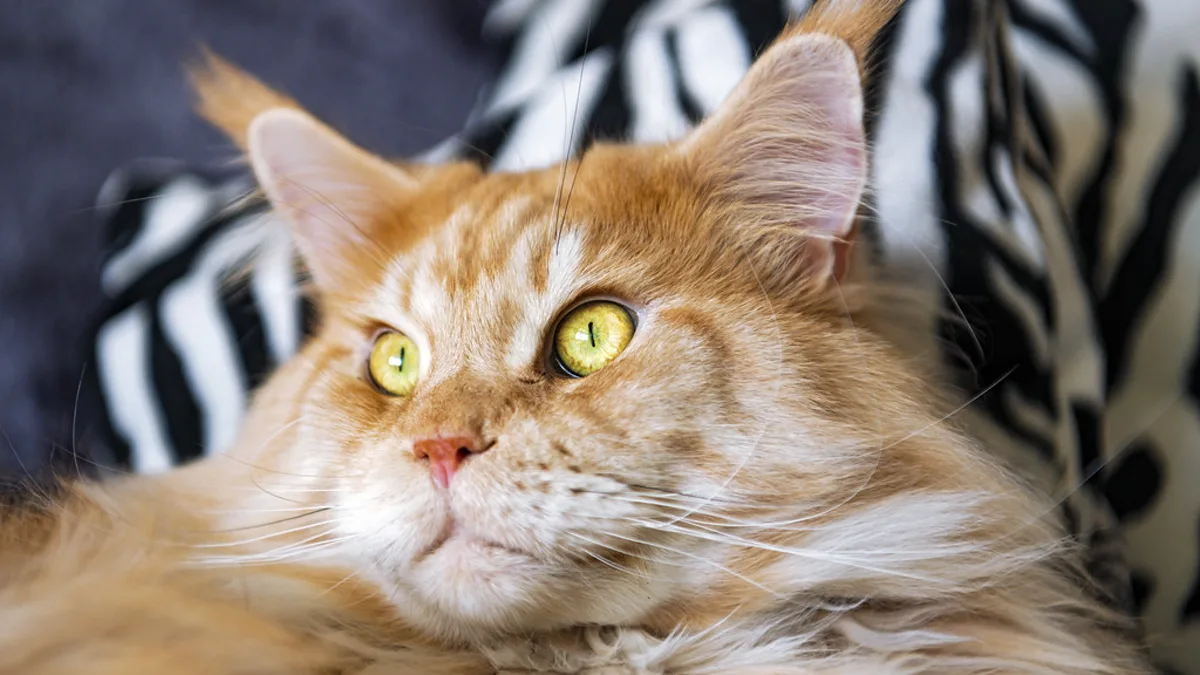
Using slow blinks is one of the most effective non-invasive tools for rehabilitating shy or traumatized rescue cats. In shelter environments, cats constantly experience sensory overload and perceived threats from barking dogs and unfamiliar humans.
When approaching an anxious feline kennel, crouching low and delivering three deliberate slow blinks lowers the animal heart rate. By refusing to stare directly, you communicate respect for their personal boundary and signal that you hold no predatory intentions.
Pairing patient eye communication with safe interactive play using a cat wand toy allows timid felines to build self-confidence gradually. Over time, reciprocal slow blinks establish a foundation of lasting emotional attachment.
Experienced animal shelter volunteers report that fearful feral-born kittens often offer their first breakthrough communication through reciprocal eye narrowing days before permitting human hands to stroke their fur.
What Are Common Misinterpretations of Feline Eye Blinking?
Cat handlers occasionally confuse relaxed slow blinking with ocular discomfort caused by conjunctivitis, corneal scratches, or foreign matter. A healthy slow blink is bilateral, relaxed, and performed intermittently during social interactions.
If a cat winks repeatedly with only one eye, holds an eyelid clamped shut, or produces watery discharge, this indicates medical eye irritation rather than a psychological trust signal. Unilateral squinting warrants prompt veterinary examination to prevent corneal ulcers.
Similarly, a cat blinking rapidly while crouching low with tucked ears is not expressing affection; rapid fluttering blinks reflect uncertainty and nervous appeasement. Always verify that relaxed eye narrowing is accompanied by soft ears, loose whiskers, and a contented posture.
Environmental irritants like scented litter dust, aerosol room sprays, and wood-burning stove smoke can also cause frequent blinking. Ensuring good indoor air quality helps distinguish genuine communicative gestures from environmental eye allergies, giving you complete confidence when interpreting your companion pet visual signals. Taking time to understand these gentle ocular expressions builds a lifelong bond of profound mutual trust and quiet joy.
Frequently Asked Questions
Do all domestic cats understand and use the slow blink?
Yes. Slow blinking is a universal feline behavioral mechanism shared by domestic breeds and wild felids alike as an evolutionary signal of peaceful intention.
How long does it take for a new cat to slow blink back at you?
Confident cats may return slow blinks on their very first day, while timid rescue cats may take several weeks of quiet companionship before feeling secure enough to return the signal.
Is it bad to make direct unblinking eye contact with a cat?
Yes. An unblinking direct stare is interpreted by cats as a challenge, threat, or predator gaze. Always soften your eyes or glance slightly to the side when looking at your feline.
Why does my cat slow blink at me from across the room while resting?
Your cat is checking in emotionally to confirm that you are both safe, peaceful, and content in the shared living space. It is a quiet confirmation of household harmony.
Can you teach a child how to slow blink to a family cat?
Teaching children to slow blink and avoid direct staring is wonderful. It prevents children from intimidating the family pet and teaches respectful animal body language early on.
How we researched this: Feline behavior metrics align with published veterinary ethology standards and clinical animal welfare guidelines. An AI tool drafted the rough structure, and the writer verified every claim and practical observation.